
Understanding Professional Fees
Professional fees are one of the most common areas of uncertainty at the start of a project. Clients are often unsure what services cost, how fees are structured, or what level of professional input is appropriate.
This page explains how professional fees typically work, what influences them, and how to think about fees when planning a refurbishment, redevelopment, or new-build project.
What influences professional fees?
Professional fees are not one-size-fits-all. They reflect the level of input required to properly support a project.
Key factors typically include:
Overall project size and construction value
Complexity and risk, particularly on refurbishment and existing-building projects
Stage of appointment and scope of services required
Programme length and pace
Procurement route and contract strategy
Refurbishment and adaptation projects often require a higher level of professional involvement due to unknowns within existing buildings, which can affect both scope and risk.
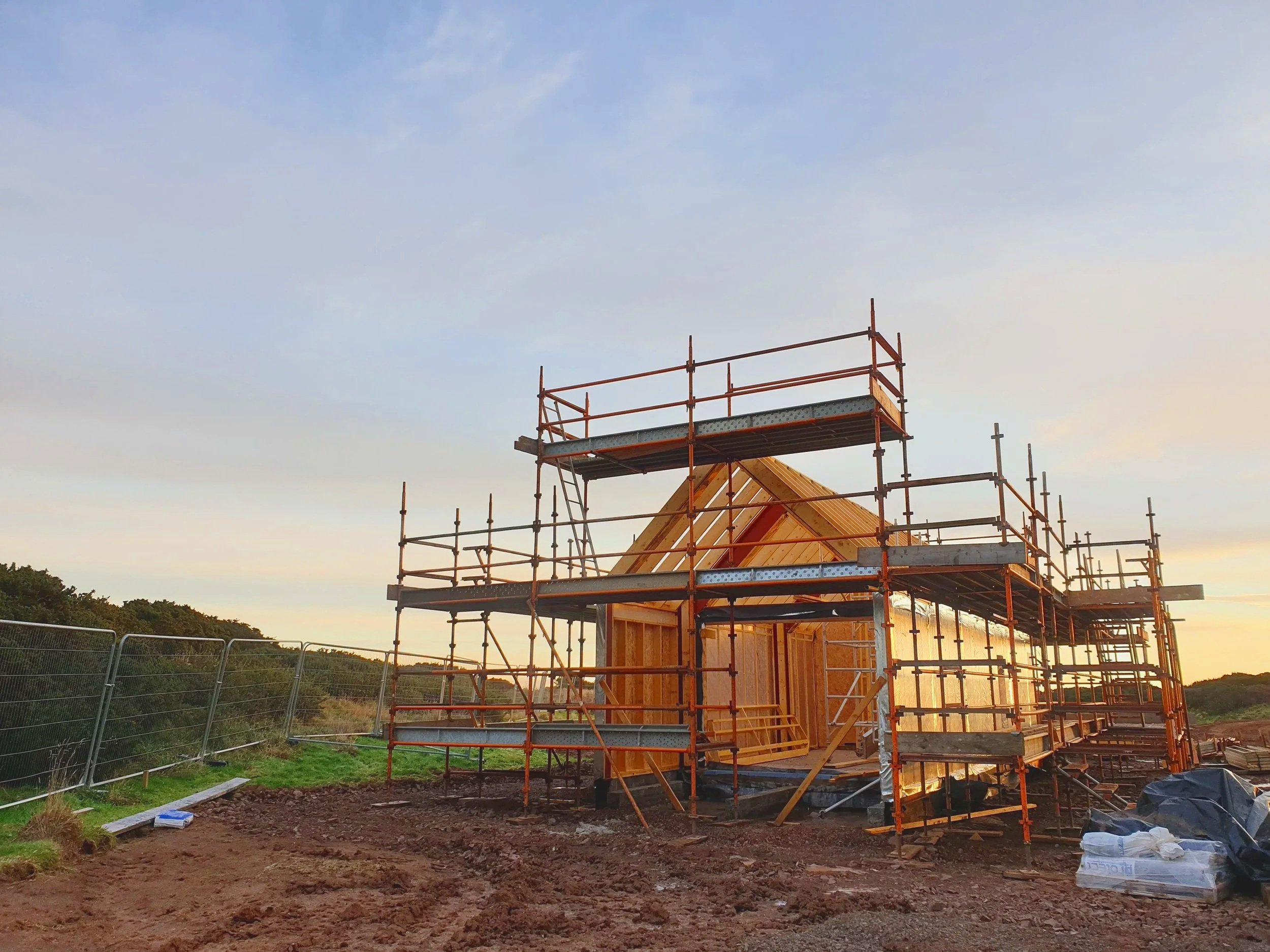
Why lowest fees can increase overall cost
Professional fees typically represent a relatively small proportion of overall project cost. However, the quality and timing of professional advice can have a significant impact on outcomes.
In our experience, insufficient early-stage input or limited ongoing involvement can lead to:
Cost overruns
Delays to programme
Compromised design or specification
Increased risk during construction
The role of a professional adviser is not simply to report costs, but to help clients make informed decisions that protect value throughout the life of a project.
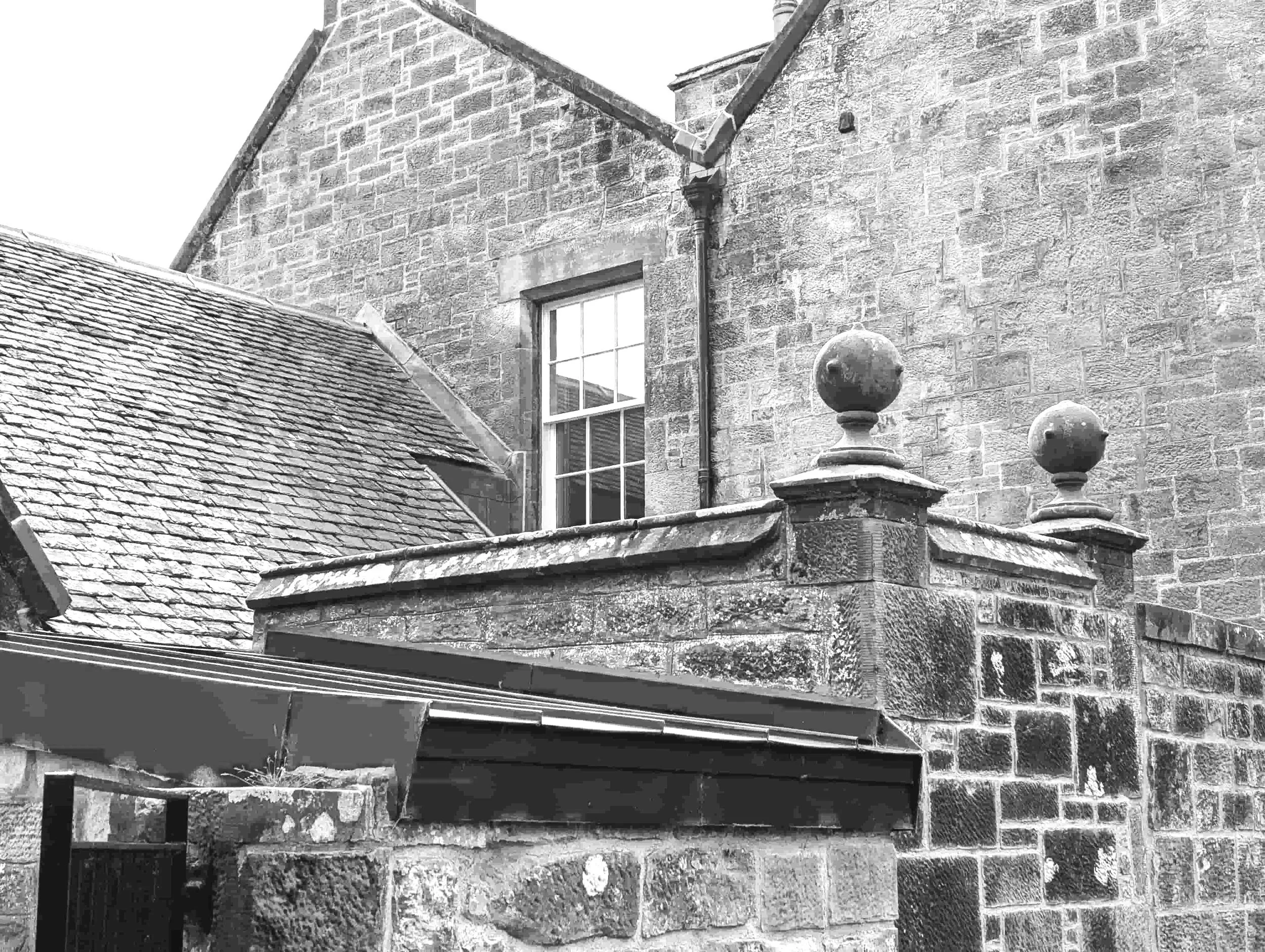
Understanding QS Scope
Our involvement can range from early cost planning to full lifecycle commercial management.
A summary of typical QS services can be found here.
How fees are typically structured
Professional fees are usually agreed using one of the following approaches:
Fixed fees
Often used for clearly defined scopes, early-stage advice, or standalone services such as feasibility studies or cost plans.
Percentage-based fees
Common where services are provided across multiple stages of a project and scale with overall construction cost.
Stage-based or hybrid fees
A combination approach, frequently used on complex or refurbishment projects where flexibility is important as the design develops.
The most appropriate structure depends on the nature of the project and the level of ongoing involvement required.

When professional input adds the most value
Professional advice can add value at any stage, but is often most effective when provided early.
This is particularly true for:
Feasibility and option appraisal
Refurbishment and adaptation of existing buildings
Projects with defined budgets or programme constraints
Projects involving multiple consultants or stakeholders
Early advice can often reduce overall cost and risk, particularly on refurbishment projects where unknowns can have a disproportionate impact if not addressed early.